Copperheads around your Ozarks home: fix the mouse problem first
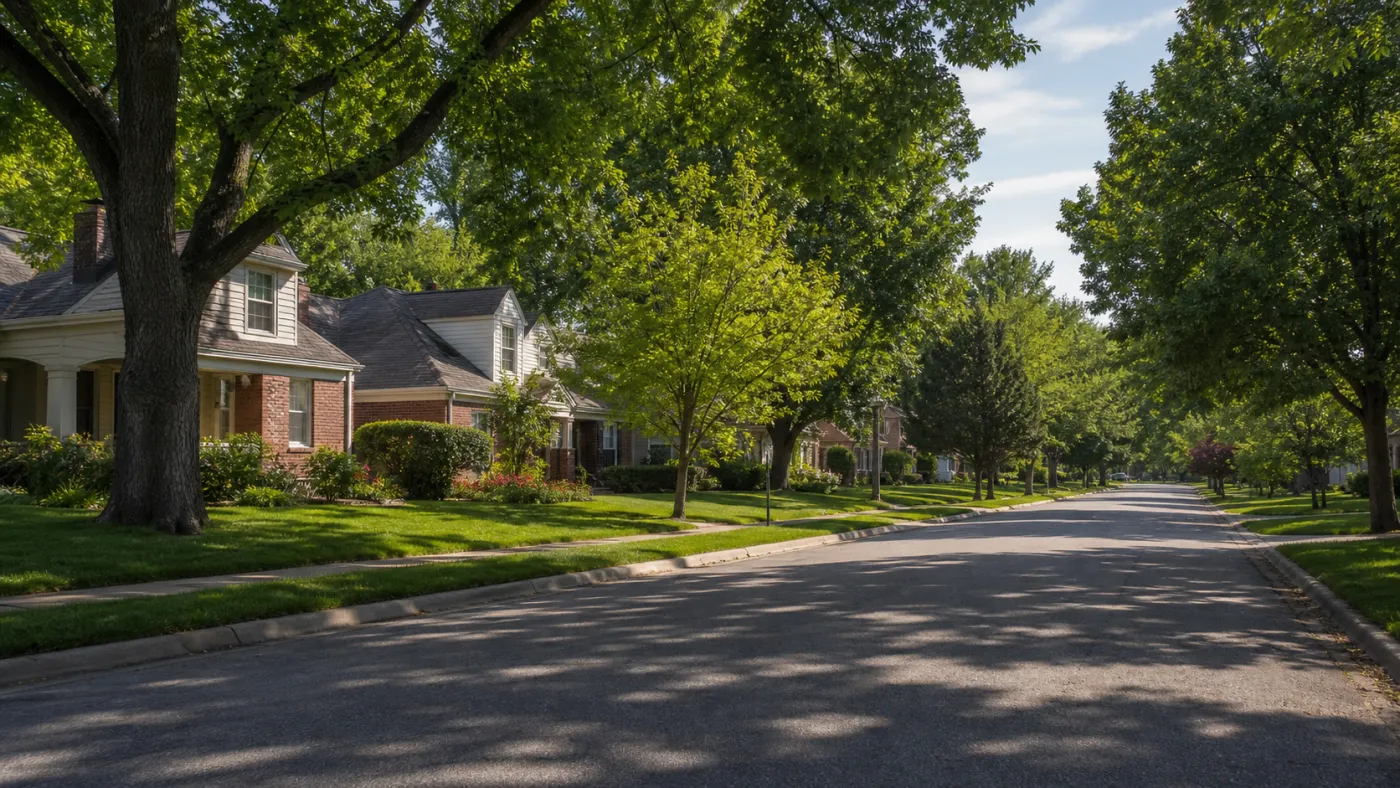
Copperheads come to an Ozarks house for one reason: dinner. Mice and voles make up the bulk of what a copperhead eats, says the Missouri Department of Conservation, so a yard that keeps copperheads around is almost always a yard that keeps rodents around. Fix the mouse side of the problem and the snake side shrinks with it. That is the whole strategy, and it is a lot less exciting than a shovel.
On this page
Why copperheads end up near Ozarks houses
Copperheads end up near Ozarks houses because houses concentrate mice, and the copperhead is a mouse specialist. A 1999 Missouri Conservationist article put mice, especially deer mice and voles, at over 90 percent of an adult copperhead's diet, and described copperheads as sit-and-wait predators that set up along mouse trails. MDC adds frogs, lizards and cicadas to the menu.
The Missouri Department of Conservation calls the eastern copperhead the state's most common venomous snake, found statewide except the extreme northern border. Its favorite ground is rocky wooded hillside and brushy creek edge, which describes half the new subdivisions around Nixa and Ozark. So the snake did not move in on you. You kind of moved in on it, then added a woodpile.
What waiting looks like on an August night
The copperhead risk that matters most is the bite you never saw coming, and it usually happens at dusk, in the warmest months, right by the house. The Missouri Department of Conservation notes that copperheads become nocturnal in June, July and August, and that they rely on camouflage in dead leaves and usually stay motionless when approached.
Here is the realistic bad version. It is a sticky August evening. The mice that have lived under the stacked firewood by the back steps all summer are out moving, and a pinkish-tan snake with dark hourglass bands is coiled in the leaf litter right beside that stack, still as a stick. You reach down for a split log with bare hands. Or your kid goes out barefoot to grab a ball from the monkey grass. Nobody sees a thing until the strike. Then it is the ER, a hand or foot swelling up tight and painful, antivenom decisions and days of recovery. MDC is clear that copperhead venom is mild compared to other venomous snakes and that deaths are very rare, about 0.01 percent. Rare deaths, though, are not the same as a pleasant weekend.
Add one more wrinkle. MDC says copperheads are born from August through early October, three to 11 per litter, with working fangs and venom from day one. Late summer is exactly when a mousy yard gets more crowded.
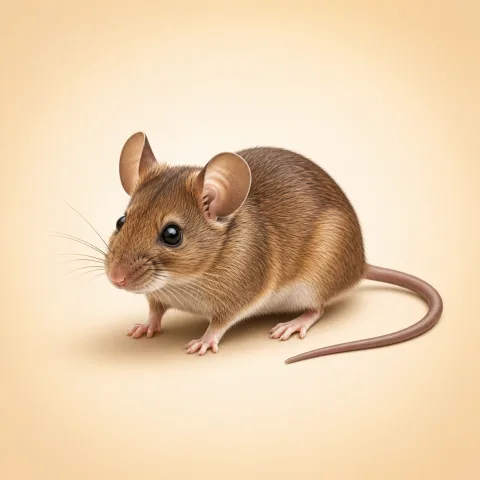
The attraction checklist: what brings a copperhead to your yard
A copperhead-friendly Ozarks yard has two things, food and cover, and the Missouri Department of Conservation names the cover specifically: board piles, fence posts, dump heaps, roofing scraps, wood piles, rock piles and tall grass.
| What is in your yard | What it gives a copperhead | The fix |
|---|---|---|
| Firewood stacked on the ground against the house | Shade, cover and a steady mouse supply | Rack it 12 inches up, well away from the siding |
| Rock borders, landscape boulders, old retaining walls | Crevices to hide and warm up in | Keep them away from doors, patios and play areas |
| Scrap lumber, tin or tarps on the ground | Perfect ambush cover with mice underneath | Haul it off or store it on a rack |
| Tall grass and brush along the fence line | Travel lane from the woods to your foundation | Mow short and cut brush back from the house |
| Birdseed, pet food, spilled feed in the garage | Feeds the mice that feed the snake | Metal cans with lids, clean up spills |
| Gaps at foundation, doors and low windows | A way inside, following the mice | Seal and add door sweeps |
What you can do this weekend
Most Ozarks homeowners can make their yard a poor copperhead hunting ground themselves, and the work is mostly mowing, hauling and sealing. MDC's own advice is to get rid of wood and rock piles and tall grass, and to wear boots in brushy areas and leather gloves when moving rocks, lumber and firewood.
- Gloves and boots first, then the woodpile. Move firewood with a hook or leather gloves, never bare hands, and do it in daylight. Restack it on a rack off the ground and away from the house.
- Clear the ambush spots. Old boards, tin, tarps and debris piles along the fence go to the curb. Lift anything that sat all summer away from you with a rake.
- Mow tight near the house. MDC notes that closely mowed lawns are less attractive to snakes than tall grass, weeds and brush.
- Go after the mice. Seal gaps with steel wool and caulk or hardware cloth, lid the birdseed and dog food, and trap indoors. Our guide to why mice move into Ozarks homes every fall lays out the gap sizes and trap placement that actually work.
- Check the doors. MDC advises inspecting foundations, doors and low windows for openings. A door sweep on the garage is cheap insurance.
- Leave the snake alone. MDC notes most venomous bites happen when people try to catch or handle the snake. Keep kids and dogs back and let it move on.
One quick word on the law. MDC states that all native Missouri snakes are protected, with an exception for a venomous snake so close to people that someone might be bitten. Honestly, the shovel is the least effective tool here anyway. Another snake finds the same mouse buffet next month.
When DIY is not enough
A copperhead problem is past DIY when the rodent population feeding it is past DIY. Any one of these signs is your cue.
- You have seen more than one copperhead near the house in a season. Repeat visits mean a reliable food source close by, usually rodents under a deck, porch slab or outbuilding.
- You are still finding mouse droppings indoors after two weeks of trapping. An open entry point is feeding both problems.
- There is rodent activity under a deck, crawl space or shed you cannot safely reach.
- You see burrows and vole runways all through the lawn and beds. Voles are prime copperhead food and a yard full of them is a standing invitation.
- A snake has actually gotten inside the garage or house. That points to a gap large enough for rodents too.

Getting the prey problem handled
If those signs fit your place, the sensible next step is to get the rodent side handled by someone who does exclusion every week. Call (855) 629-1061, tell them what you are seeing and where in the Ozarks you live, and you get a price and a scheduling window on the call. Ozarks Pest Pros is a free referral service; we connect you with a licensed local provider covering your ZIP code, and you can book or not, with no obligation. A professional rodent control visit in Springfield finds the entry points, seals them and knocks the population down, which takes away the reason a copperhead was hanging around. Same-day and 24/7 emergency services are subject to provider participation, location, technician availability, and demand. Availability is not guaranteed and may vary by market and appointment capacity.
For budgeting: rodent work around Springfield commonly runs about $150 to $400 for a one-time service with follow-ups, and quarterly plans that also cover the usual Springfield pest services run about $40 to $70 per visit. Those are typical market ranges, not a quote, and the Springfield pest control cost guide breaks down the rest. If a snake is inside the living space right now, keep people and pets out of that room and ask the provider on the call whether they handle wildlife removal or can point you to someone who does.
And here is the part worth sleeping on. Copperheads are not hunting you. MDC describes them as not aggressive and slow to strike unless provoked, and they are doing you a quiet favor out in the woods by eating mice. You just want that favor done at the tree line, not at your back steps. Handle the mice, wear gloves at the woodpile, and the porch is yours again.
Ozarks copperhead FAQ
Why do copperheads show up around Springfield houses?
Copperheads show up around Springfield houses because that is where their food is. The Missouri Department of Conservation states that mice and voles make up the bulk of the eastern copperhead diet, and a Missouri Conservationist article put mice at over 90 percent of an adult copperhead's diet. A yard with a woodpile, tall grass and a mouse population is a buffet with cover attached.
Are copperhead bites in Missouri deadly?
Copperhead bites in Missouri are painful and need a hospital, but deaths are very rare. The Missouri Department of Conservation describes copperhead venom as mild compared to other venomous snakes and puts the fatality rate at about 0.01 percent, while still advising medical treatment for anyone bitten. Get to an emergency room, do not cut, suck or ice the bite, and do not try to catch the snake.
Is it legal to kill a copperhead in my yard in Missouri?
Missouri treats native snakes as protected nongame animals, so killing them is generally unlawful. The Missouri Department of Conservation makes one exception: a venomous snake in such close association with people that someone might be bitten. The better long-term answer is to remove the mice, woodpiles and tall grass that brought the copperhead to the house in the first place.
Will getting rid of mice really keep copperheads away?
Getting rid of mice is the single most useful thing you can do, because copperheads are sit-and-wait hunters that set up along mouse trails. Removing the prey, plus the board piles, rock piles and tall grass the Missouri Department of Conservation says attract snakes, makes your yard a poor place to hunt. It lowers the odds a great deal; no yard next to Ozarks woods is ever snake-proof.