Brown recluse bite: what to do and when to see a doctor
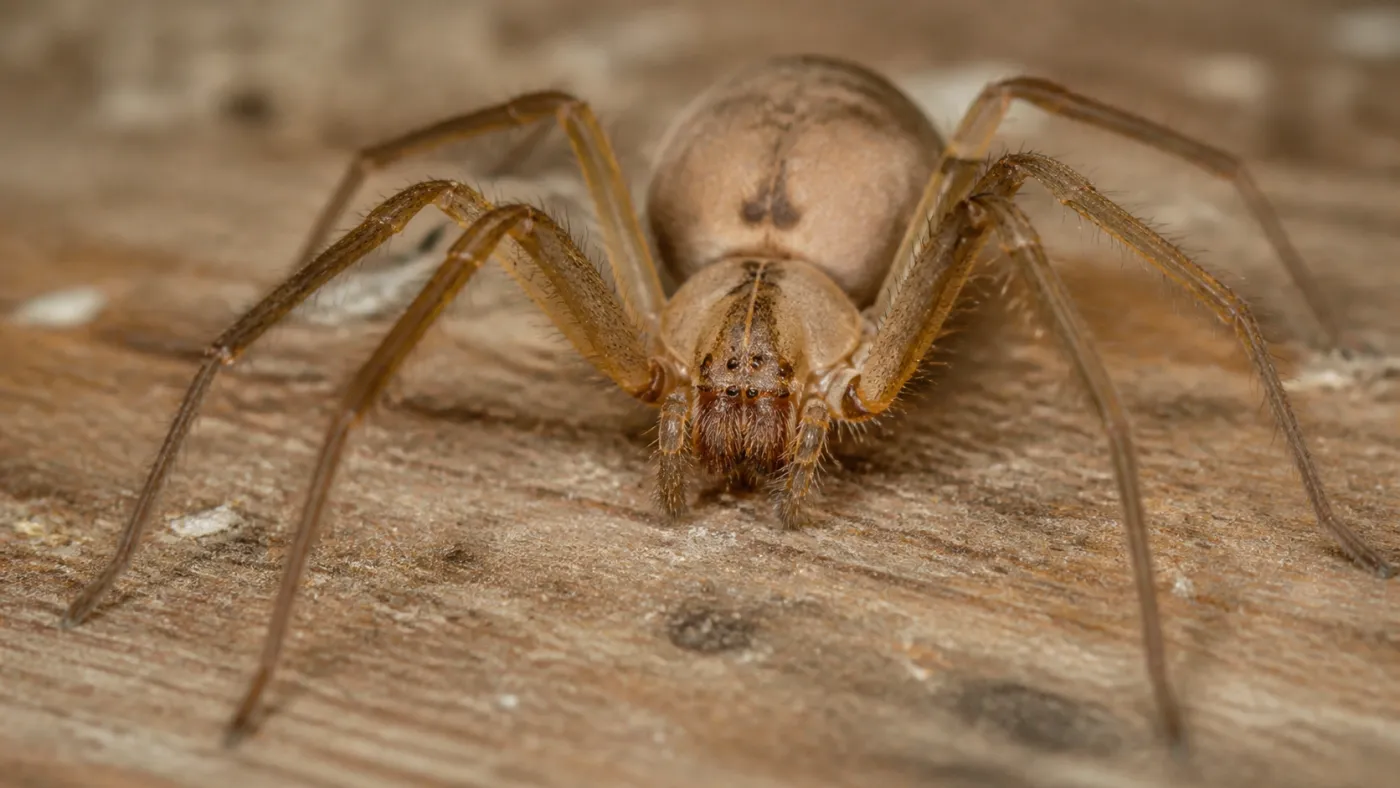
The brown recluse bites that go bad in Springfield go bad quietly: a painless little mark from the garage that three days later has a sunken, bruise-dark center and edges that keep creeping wider while you keep deciding it is nothing. That slow burn is exactly why the first 72 hours are about paying attention. The honest news first: most recluse bites are a wash-and-watch situation and heal on their own. Here is what to do right now, what the bite should look like over the next week, and the specific signs that mean you stop watching and call a doctor.
On this page
What to do in the first hour after a brown recluse bite
Wash the brown recluse bite with soap and water, keep it clean and dry, and call the Missouri Poison Center at 1-800-222-1222 if you think a recluse did it. That is the whole first-hour plan, and it comes straight from the Missouri Poison Center's own guidance. No suction kits. No cutting. No tourniquets, and no remedies from your uncle out in Nixa.
A few details matter. The Missouri Poison Center specifically says ice is not recommended for spider bites, which surprises people; a topical hydrocortisone cream for the itch is fine, and a dab of antibiotic ointment helps keep infection out while the skin is open. Then photograph the bite with a coin next to it for scale and note the time. The first question a nurse asks is "is it getting bigger?", and memory is a terrible ruler.
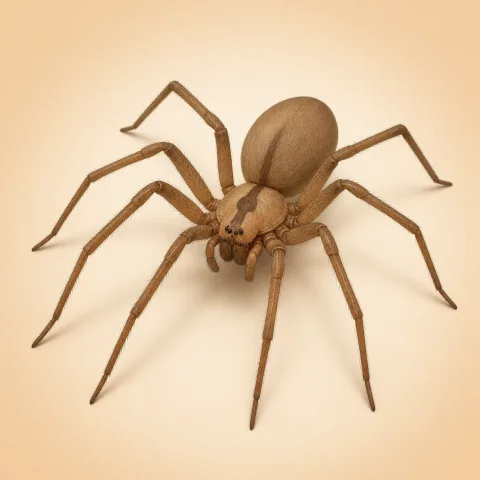
If you caught the spider, even a flattened one, bag it. A six-eyed spider with a violin on its back ends the guessing game, and the guessing game is most of the problem with recluse bites.
What a brown recluse bite looks like, day by day
A brown recluse bite typically starts as nothing much, a small red bump that may sting, and any real trouble shows up over hours and days rather than minutes. Poison Control describes the progression as a minor red, itchy bump that can blister within days, then grow larger, more painful and darker. In the uncommon cases where tissue dies, the center turns black and forms a crust that eventually falls off. Here is the rough timeline. Most bites never get past the first row.
| Timeframe | What you may see | What it means |
|---|---|---|
| First 2 to 8 hours | Little or no pain at first, then burning, itching and redness | Normal. Clean it, photograph it, watch it. |
| Day 1 to 3 | A blister, a pale or bluish center with a red ring, pain climbing | Still common. Call the poison center if you have not. Watch for fever. |
| Day 3 to 7 | Wound darkening, sinking, or opening into a sore | Needs a doctor. A minority of bites, but this is the stage that scars. |
| Week 2 to 8 | Ulcer slowly closing from the edges inward | Expected. The Missouri Poison Center puts healing at six to eight weeks or longer. |
When to see a doctor for a brown recluse bite
See a doctor the same day if the brown recluse bite is growing, if the skin around it turns purple or dark, or if the person bitten develops fever, chills, a spreading rash or body aches. The whole-body symptoms are the ones to take seriously. The Missouri Poison Center notes that systemic loxoscelism, the rare reaction where the venom affects the blood and kidneys, most commonly develops 24 to 72 hours after the bite, can be delayed up to 7 days, and occurs most frequently in patients under 30. So kids get watched closer. That is not me being dramatic, that is the poison center. A checklist for the fridge door:
- Bigger than yesterday's photo, sinking in, or turning dark: doctor today.
- Fever, chills, nausea, vomiting, muscle or joint aches, or a rash spreading away from the bite: urgent care or the ER now, especially in a child.
- Dark, cola-colored urine or yellowing skin: emergency room. The Missouri Poison Center lists both among the signs of systemic loxoscelism.
- Pus, heat, or red streaks running up the arm or leg: doctor, because that is infection, and an infected recluse wound lingers all summer.
- Bite on the face, neck or torso: lower your threshold for care. The poison center notes those locations carry more systemic risk than a hand or an ankle.
- None of the above and the bump is shrinking: keep it clean, keep watching, and breathe.
About the scalpel. There is no antivenom for the brown recluse, and the Missouri Poison Center says early debridement, cutting the wound out, is not helpful and likely extends the final size of the wound. If a clinic wants surgery on day two, it is fair to ask why.
It might not be a brown recluse bite at all
Most sores that get blamed on a brown recluse in Springfield are something else, usually a skin infection. A Journal of Emergency Medicine study of patients arriving at emergency rooms reporting a "spider bite" found that most were actually skin and soft-tissue infections, staph included, and American Family Physician has flatly called the brown recluse diagnosis overused. The two look alike and are treated nothing alike.
The tell is simple. A brown recluse leaves one wound from one spider. It does not spread to other people, and it does not show up as three sores at once. If two kids and a husband all have "spider bites" the same week, that is not a spider problem. Ask the clinic about a culture before anyone settles on a name, because "spider bite" is a guess until somebody has seen the spider. And if you did see it and it was large and hairy, check our guide on brown recluse vs wolf spider before you assume the worst, because the wolf spider is the lookalike blamed most often in Springfield and its bite is harmless.
Why the Ozarks gets bitten so often
Brown recluse spiders bite Springfield residents because Springfield houses are full of them and the spider only bites when it is trapped against skin. University of Missouri Extension explains that a brown recluse cannot bite without some form of counterpressure, which is why the classic bite happens when you pull on a work glove, a boot from the garage, or a sweatshirt that sat folded in a closet since March. The same MU Extension publication cites one study that found the spider in about 70 percent of the Missouri homes sampled. Seventy. Think about that the next time you reach into the back of a cabinet without looking.
Recluses are homebodies. They want dry, cluttered, undisturbed space, and a typical Ozarks basement or detached garage is exactly that. They are not hunting you. The bite is an accident, which is oddly reassuring and also exactly why it keeps happening.
How to stop the next bite
Stopping the next brown recluse bite means two things: shake out anything that sat still, and get the population in the house down. Shake shoes, gloves and stored clothing before you put them on. Pull beds a few inches off the wall and keep the bedskirt off the floor. Store off-season clothes in sealed bins. Glue traps along baseboards tell you in a week whether you have three spiders or thirty. What to do with that count, step by step, is covered in our guide on how to get rid of brown recluse spiders in a Missouri home.
If the traps fill up, that is the moment to call. Ozarks Pest Pros connects you with a licensed local provider who handles brown recluse control in Springfield, and the same providers cover Nixa and Ozark. As a typical market range, not a quote, an initial recluse treatment in the Springfield area often runs from roughly $150 to $400 depending on the home, with ongoing suppression visits after that; the provider sets your price after seeing the house. Same-day and 24/7 emergency services are subject to provider participation, location, technician availability, and demand. Availability is not guaranteed and may vary by market and appointment capacity.
Found the spider that did the biting, or keep finding its relatives? Getting the recluse population in the house down is exactly the job for a pro, and glue traps alone will not do it. Call (855) 629-1061 and a licensed Springfield-area provider will price an inspection and treatment for your home on the call, no obligation. For the bite itself, follow the medical steps above and see a doctor when the warning signs appear.
Brown recluse bite FAQ
Should I put ice on a brown recluse bite?
The Missouri Poison Center says ice is not recommended for spider bites. Wash the brown recluse bite with soap and water, keep it clean and dry, and use a topical hydrocortisone cream for itching if you need it. Call the poison center at 1-800-222-1222 for advice specific to your bite.
How long does a brown recluse bite take to heal?
A mild brown recluse bite can settle in a few days, but a bite that ulcerates heals slowly. The Missouri Poison Center puts typical healing at six to eight weeks or longer, and during that time the wound can easily become infected, so keeping it clean matters more than any ointment.
Can a brown recluse bite kill you?
Deaths from brown recluse bites are extremely rare. The real danger is systemic loxoscelism, a whole-body reaction with fever, chills, rash, dark urine and possible kidney injury that the Missouri Poison Center says usually develops 24 to 72 hours after the bite and occurs most often in people under 30. Those symptoms mean an emergency room visit, especially for a child.
How do I know it was a brown recluse and not something else?
Unless someone saw or caught the spider, a brown recluse bite is a guess. Emergency-room research published in the Journal of Emergency Medicine found that most patients who arrive reporting a spider bite actually have a skin infection such as staph. A brown recluse leaves one wound from one spider; several sores, or sores on several people in the house, point to infection instead.